
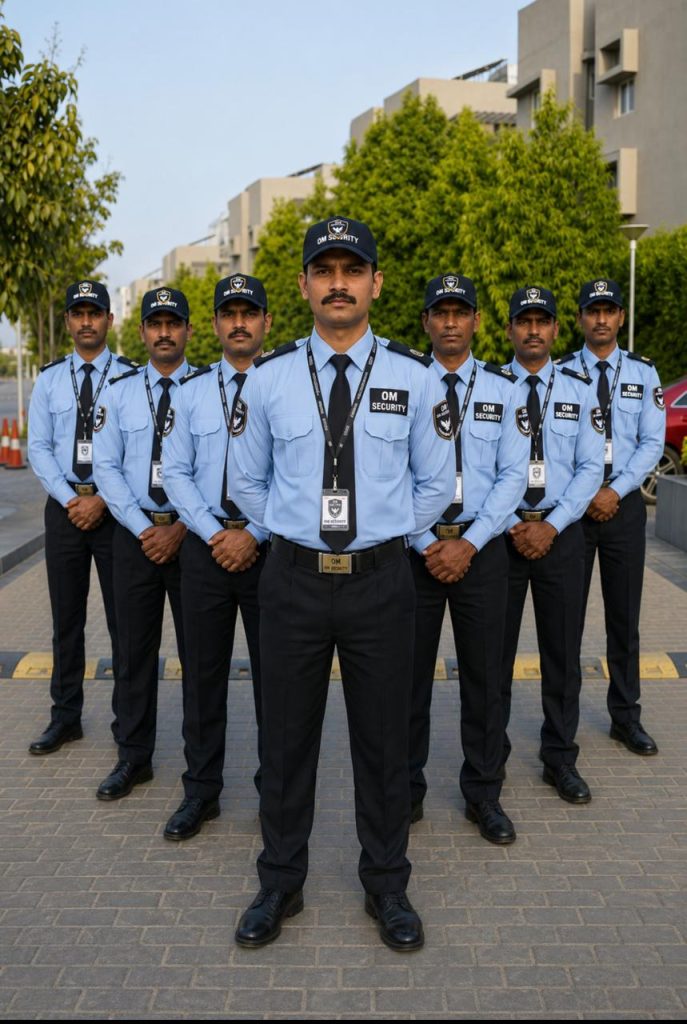
In today’s fast-changing world, safety and security have become essential parts of everyday life. Whether it is a residential society, corporate office, shopping mall, hospital, school, industrial area, or public event, people expect a secure environment where they can live and work peacefully. With increasing urbanization, rising security concerns, and growing public awareness about safety, the role of security guards has become more important than ever before.
Modern safety management is no longer limited to locking doors or monitoring entry gates. It now involves prevention, preparedness, surveillance, emergency response, crowd control, and risk management. At the center of all these responsibilities stands the security guard—the first line of defense and one of the most trusted protectors of people and property. Security guards today are not just watchmen; they are trained professionals who contribute significantly to maintaining discipline, preventing threats, and ensuring smooth operations in every environment.
Understanding Modern Safety Management
Modern safety management refers to a complete system designed to protect people, property, and assets from risks, accidents, theft, violence, and emergencies. It combines manpower, technology, planning, and training to create a secure atmosphere.
This system includes:
- Risk assessment
- Access control
- CCTV monitoring
- Fire safety management
- Emergency response planning
- Crowd management
- Incident reporting
- Public safety awareness
Security guards play a central role in implementing and maintaining all these safety measures effectively.
Security Guards as the First Line of Protection
One of the most important roles of security guards is their physical presence. A trained and alert guard acts as a visible deterrent to criminals, trespassers, and suspicious activities.
The presence of professional security personnel:
- Reduces the chances of theft and vandalism
- Discourages unauthorized entry
- Creates discipline in public and private spaces
- Builds confidence among residents, employees, and visitors
- People naturally feel safer when they see security guards actively performing their duties.
- Monitoring and Surveillance
Modern security management relies heavily on monitoring and surveillance. Security guards are responsible for keeping a close watch on activities within the premises.
Their duties often include:
- Monitoring CCTV cameras
- Patrolling the property
- Checking entry and exit points
- Verifying visitor identities
- Observing suspicious behavior
Even with advanced security technology, human observation remains extremely important. Security guards are trained to identify unusual activities quickly and take immediate action before situations escalate.
Access Control and Visitor Management
Controlling access to buildings and sensitive areas is a major responsibility of security guards. In offices, residential societies, hospitals, and industrial sites, guards ensure that only authorized individuals are allowed entry.
This includes:
- Maintaining visitor records
- Checking identification cards
- Monitoring delivery personnel
- Verifying appointments and permissions
- Proper access control helps prevent unauthorized entry and protects both people and assets.
- Emergency Response and Crisis Management
- Emergencies can happen anytime. Fires, medical emergencies, security breaches, accidents, or natural disasters require immediate response and calm decision-making.
Security guards are trained to:
- Handle emergency situations calmly
- Guide people during evacuations
- Coordinate with emergency services
- Provide basic first aid
- Manage panic and confusion
- Their quick response during critical situations can prevent injuries, minimize damage, and even save lives.
For example, during a fire incident, security guards are often the first people to activate alarms, assist evacuation procedures, and coordinate with fire departments. Maintaining Discipline and Order
Security guards play a key role in maintaining discipline in workplaces, public spaces, and residential communities. Their presence helps ensure that rules and regulations are followed properly.
They help:
- Prevent conflicts and disturbances
- Manage crowds during events
- Maintain order in busy areas
- Ensure smooth movement of people and vehicles
In many situations, the calm and professional behavior of security guards helps resolve problems before they become serious.
Role in Residential Security
Residential societies and gated communities rely heavily on security guards for everyday safety management. Families want a peaceful and secure environment where children, elderly residents, and women feel safe. Residential security guards are responsible for:
- Monitoring visitor movement
- Patrolling the premises
- Managing parking areas
- Responding to resident concerns
- Ensuring gate security
Their continuous vigilance helps create trust and peace of mind among residents.
Importance in Corporate and Commercial Spaces
In offices and commercial buildings, security guards contribute not only to safety but also to professionalism and organizational discipline.
Their duties include:
- Managing reception security
- Assisting employees and visitors
- Protecting company assets
- Preventing unauthorized access
- Monitoring workplace safety
A professional security team creates a positive impression and ensures smooth day-to-day operations.
Security Guards in Hospitals and Educational Institutions
Hospitals and schools require specialized security management because they deal with sensitive situations and vulnerable individuals.
In hospitals, guards help:
- Control crowd movement
- Assist patients and visitors
- Handle emergencies
- Maintain order during stressful situations
- In schools and colleges, security guards:
- Monitor student safety
- Control campus entry
- Ensure discipline
- Respond quickly during emergencies
Their role is essential in creating a safe environment for patients, students, teachers, and staff.
Role in Event Security Management
Public gatherings, exhibitions, festivals, and corporate events involve large crowds and require careful security planning. Security guards are trained to manage such environments efficiently.
Event security responsibilities include:
- Crowd control
- Entry screening
- VIP protection
- Emergency response
- Monitoring suspicious activities
Professional event security ensures that programs are conducted safely and smoothly without disruptions.
Supporting Technology with Human Intelligence
Modern security systems use advanced technology such as CCTV cameras, biometric access systems, alarms, and GPS tracking. However, technology alone cannot replace human judgment and decision-making.
Security guards bridge the gap between technology and action. They:
- Monitor security systems
- Respond to alerts
- Analyze situations
- Take immediate decisions when required
The combination of trained manpower and modern technology creates a stronger and more reliable safety system.
Importance of Training in Modern Security Services
Today’s security guards require proper training to handle modern challenges effectively. Professional security companies focus on continuous learning and skill development.
Training includes:
- Emergency response procedures
- Fire safety drills
- Communication skills
- Behavioral training
- First aid and rescue techniques
- Surveillance handling
Well-trained guards perform their duties confidently and professionally.
Building Trust Through Professionalism
One of the greatest strengths of security guards is the trust they build among people. Their professionalism, discipline, punctuality, and respectful behavior create a sense of assurance.
A professional security guard:
- Communicates politely
- Remains alert and responsible
- Handles situations calmly
- Maintains ethical conduct
This professionalism enhances the image of the organization and improves public confidence.
Challenges Faced by Security Guards
Despite their important role, security guards often work under challenging conditions:
- Long working hours
- Night shifts
- Extreme weather conditions
- High-pressure situations
Yet they continue to perform their duties with dedication and commitment. Their contribution to public safety often goes unnoticed, but their role remains invaluable.
The Future of Security Guards in Safety Management
As cities continue to grow and security concerns become more complex, the role of security guards will continue to evolve. Modern safety management will increasingly require trained professionals who can work alongside advanced technologies.
Future security services will focus more on:
- Smart surveillance systems
- Risk management
- Specialized training
- Rapid emergency response
- Customer-friendly security operations
Security guards will remain a crucial part of this evolving system because human awareness, judgment, and responsibility can never be fully replaced.
Conclusion
The role of security guards in modern safety management is far greater than simply guarding entrances or patrolling buildings. They are protectors, observers, responders, and trusted professionals who contribute to creating safe and secure environments for everyone.
From residential societies and corporate offices to hospitals and public events, security guards ensure discipline, prevent threats, manage emergencies, and build confidence among people.
In today’s world, where safety has become a top priority, security guards are not just employees—they are the backbone of modern security systems.
Because true safety is achieved not only through technology or infrastructure, but through dedicated professionals who stand alert and committed every day to protect lives and property.
