
Winter is often associated with comfort, festivities, and a slower pace of life. However, from a security perspective, winter is also a season when security risks significantly increase. Shorter days, longer nights, foggy weather, reduced visibility, and lower public movement create favorable conditions for criminal activities, accidents, and emergencies.
Understanding why security threats rise during winter and knowing how to stay protected can help individuals, businesses, and communities maintain safety throughout the season.
Why Security Risks Increase During Winter
1. Longer Nights and Reduced Visibility
One of the most significant winter challenges is the increase in darkness. Shorter daylight hours mean more time under low-light conditions. Fog, mist, and haze further reduce visibility, making it easier for unauthorized individuals to move unnoticed.
Criminals often take advantage of poorly lit areas, empty streets, and blind spots during winter evenings and nights.
2. Reduced Outdoor Activity
Cold weather naturally discourages people from spending time outdoors. Residential colonies, markets, and industrial areas experience reduced foot traffic, especially during late hours. This lack of movement creates isolated environments, making properties more vulnerable to theft, vandalism, and trespassing.
An area with minimal activity is easier to target than one with visible presence and vigilance.
3. Increased Break-ins and Theft
Winter is a peak season for break-ins, especially in residential areas. Homes are often locked for longer periods as families stay indoors or travel during holidays. Businesses may also operate with reduced staff, creating opportunities for theft.
Warehouses, construction sites, and godowns are particularly vulnerable during winter nights.
4. Fog and Weather-Related Challenges
Dense fog and cold weather affect not only visibility but also response time. Emergency services, patrolling units, and vehicles may face delays. Criminals exploit these conditions, knowing that detection and response may be slower than usual.
Foggy conditions also increase the risk of accidents, fires, and mishandling of equipment.
5. Fire Hazards Increase in Winter
The use of heaters, blowers, electric rods, and open flames increases significantly during winter. Improper wiring, overloading, or unattended heating equipment can lead to fires.
Many fire incidents occur not due to external threats but due to lack of awareness and safety discipline.
6. Reduced Alertness Due to Cold
Cold temperatures affect human alertness and reaction time. Guards, staff, and residents may become less active or vigilant, especially during night shifts. Fatigue and discomfort can reduce attentiveness if proper precautions and training are not in place.
How to Stay Protected During Winter
While winter brings challenges, proper planning, awareness, and professional security support can significantly reduce risks.
1. Ensure Adequate Lighting
Good lighting is one of the simplest yet most effective security measures.
- Install bright outdoor lights at entry points
- Use motion-sensor lights in open areas
- Ensure parking areas and pathways are well-lit
Well-lit spaces discourage unauthorized movement and improve visibility for security personnel.
2. Increase Physical Security Presence
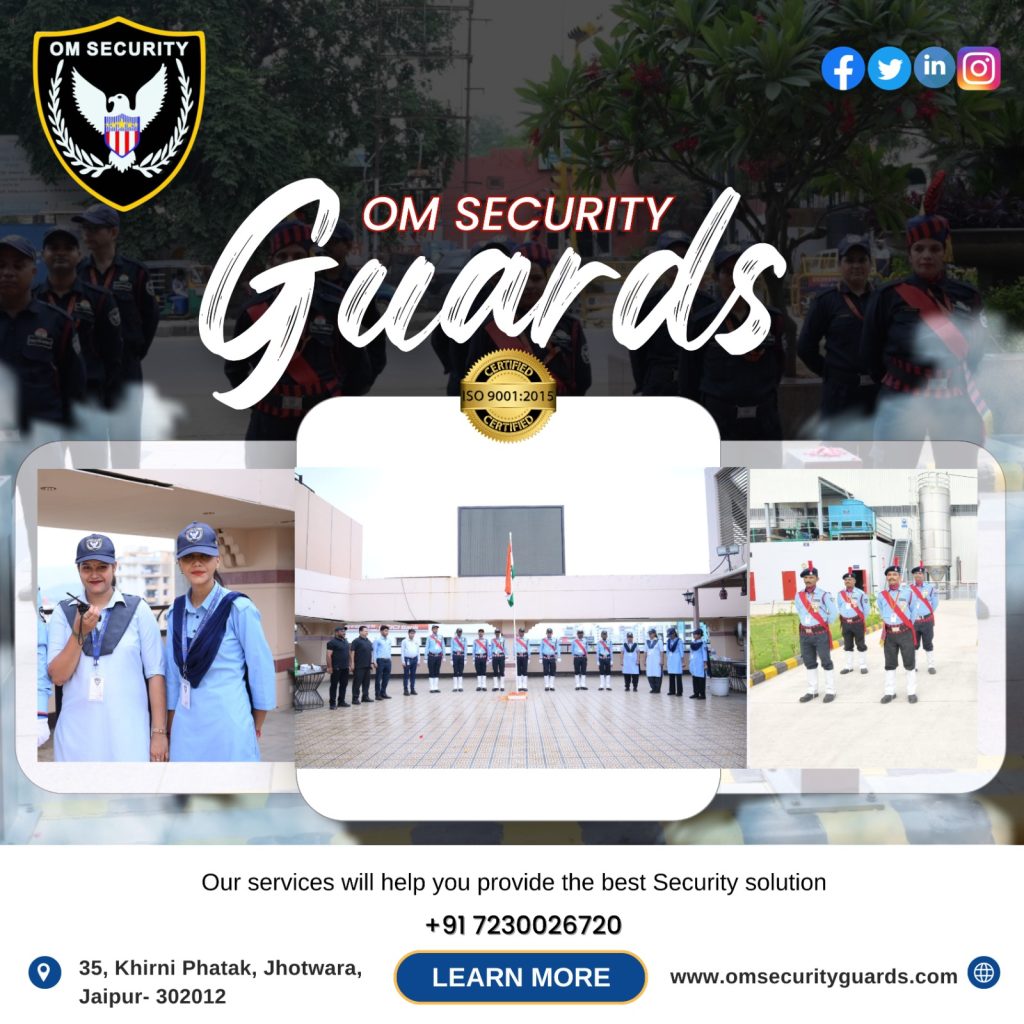
During winter, having trained security guards on-site becomes even more critical.
Professional guards provide:
- Continuous surveillance
- Night patrolling
- Access control
- Quick response to suspicious activity
A visible security presence acts as a strong deterrent to crime.
3. Strengthen Night Patrols
Night hours demand extra attention during winter. Regular patrols ensure that:
- Isolated areas are monitored
- Unusual activity is detected early
- Fire hazards are identified on time
Patrol schedules should be structured and strictly followed.
4. Fire Safety Awareness and Training
Fire risks rise sharply in winter, making fire safety preparation essential.
Key measures include:
- Regular fire safety checks
- Proper placement of heaters
- Avoiding overloading electrical circuits
- Training guards and staff in fire response
Fire extinguishers should be accessible, and mock drills should be conducted periodically.
5. Secure Entry and Exit Points
During winter, entry and exit points must be closely monitored.
- Verify visitor identity
- Maintain visitor registers
- Monitor vehicle movement
- Control unauthorized access
Strong access control prevents intrusions and enhances overall safety.
6. Use Technology Along with Manpower
Combining trained manpower with security technology enhances protection.
Effective tools include:
- CCTV surveillance
- Alarm systems
- Motion sensors
- Emergency communication systems
Technology supports guards by improving monitoring and response efficiency.
7. Proper Training for Security Guards
Winter conditions demand specialized training for guards.
Training should focus on:
- Staying alert in cold weather
- Handling emergencies in fog and low visibility
- Fire and safety response
- Crowd control during festivals and events
Well-trained guards remain effective regardless of weather challenges.
8. Community Awareness and Cooperation
Security is strongest when communities work together.
Residents and employees should:
- Report suspicious activity
- Follow safety guidelines
- Avoid unsafe heating practices
- Cooperate with security personnel
Collective awareness strengthens protection.
9. Special Care for Vulnerable Groups
Senior citizens, children, and lone occupants require extra attention during winter.
Security teams should:
- Conduct regular checks
- Assist during emergencies
- Ensure safe movement in foggy conditions
Compassion and vigilance go hand in hand with security.
10. Emergency Preparedness and Planning
Winter emergencies can arise suddenly. Being prepared reduces panic and damage.
- Keep emergency numbers accessible
- Ensure clear evacuation routes
- Conduct mock drills
- Maintain communication systems
Preparedness saves lives and property.
The Role of Professional Security Services in Winter
Professional security companies understand seasonal risks and adapt their strategies accordingly. They provide trained personnel, structured patrols, fire safety preparedness, and emergency response planning.
In winter, security is not just about guarding—it is about anticipating risks and preventing incidents before they occur.
Conclusion: Vigilance Is the Best Protection
Winter may bring comfort and celebration, but it also brings increased security challenges. Longer nights, fog, reduced activity, and fire hazards create conditions that demand greater alertness and preparation.
By strengthening security measures, investing in trained guards, enhancing fire safety awareness, and fostering community cooperation, individuals and organizations can stay protected throughout the winter season.
Because true security is not seasonal—it is a year-round commitment, strengthened even more when risks are highest.
